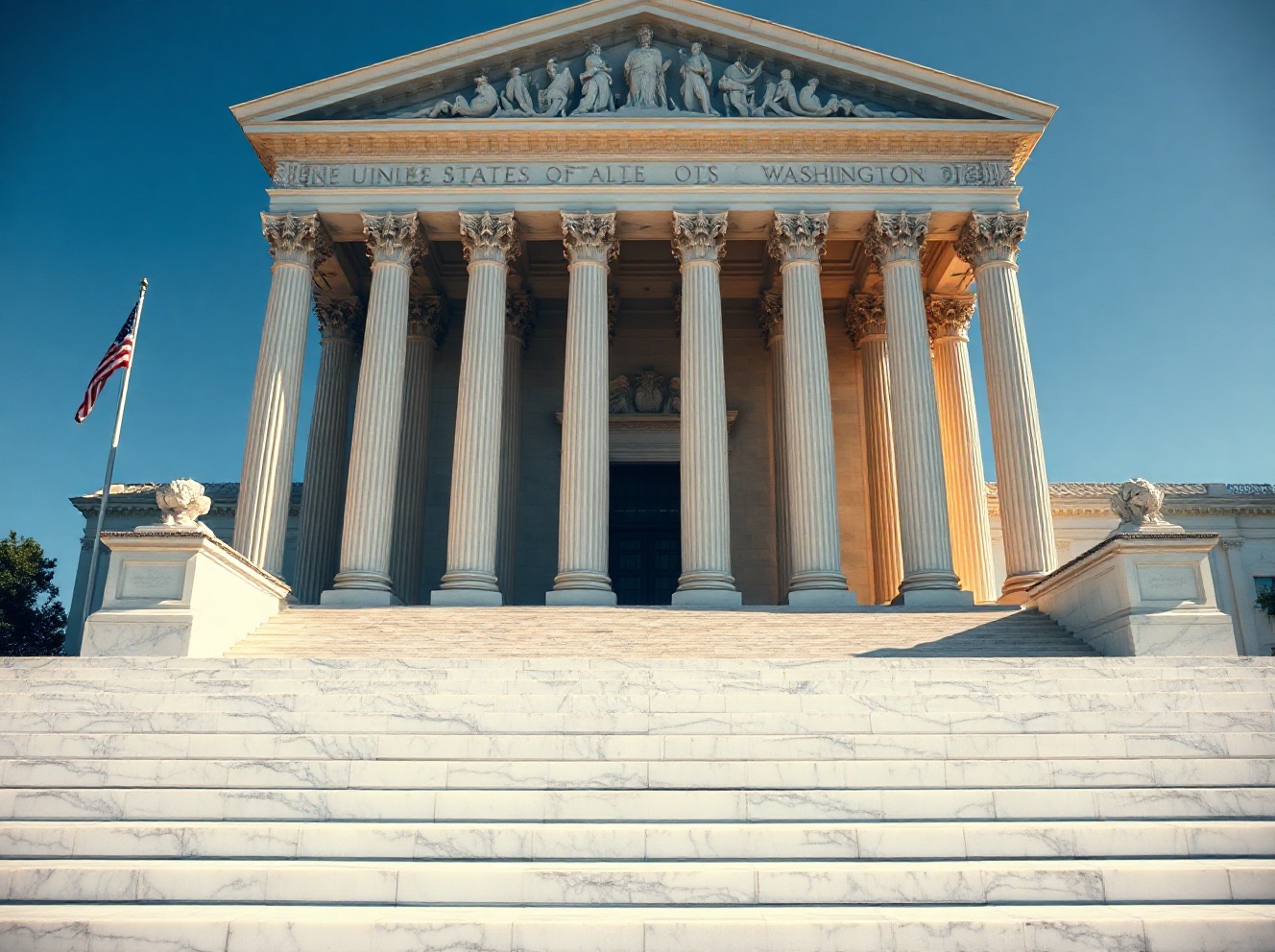
The Blockchain Association has thrown its weight behind Custodia Bank’s legal battle over access to a Federal Reserve master account, according to Eleanor Terrett, host of Crypto in America. The industry group filed an amicus brief with the U.S. Supreme Court, arguing that the Court should directly review whether regional Federal Reserve banks can independently deny master accounts to qualified state-chartered banks.
The case has drawn attention from the crypto and banking sectors because it touches on the balance of power between the central bank and state-regulated financial institutions. At stake is not just Custodia’s ability to operate as a crypto-friendly bank, but the broader question of how much discretion the Fed has to exclude certain types of businesses from the financial system.
Background: What Is a Master Account and Why Does It Matter?
A master account at the Federal Reserve is a critical gateway for banks to access the payment system and other central bank services. Without one, a bank must rely on intermediaries, which can increase costs and operational risks. For a digital-asset-focused bank like Custodia, which is state-chartered in Wyoming, obtaining a master account is essential to compete on equal footing with traditional banks.
Custodia first applied for a master account in 2020. The Federal Reserve Bank of Kansas City denied the application in 2022, prompting Custodia to sue. A federal district court ruled in favor of the Fed, and an appeals court upheld that decision. Custodia then petitioned the Supreme Court, and the Blockchain Association’s amicus brief supports that petition.
The Blockchain Association’s Argument
In its brief, the Blockchain Association argues that the Supreme Court should clarify whether regional Fed banks have the authority to reject master account applications from state-chartered banks that meet all legal requirements. The group warns that if the lower court ruling stands, the Fed could wield broad power to exclude entire industries or specific companies from the financial system—a concern that extends well beyond the crypto sector.
“This is not just about Custodia,” said Terrett in a statement. “It’s about whether the Federal Reserve can unilaterally decide who gets to participate in the banking system. That has implications for innovation, competition, and due process.”
The amicus brief aligns with the Blockchain Association’s broader mission to advocate for clear and fair regulatory treatment of digital assets. The group has previously filed comments on various regulatory proposals and has supported litigation that challenges what it sees as overreach by federal agencies.
Why This Case Matters for the Crypto Industry and Beyond
The outcome of this case could set a precedent for how state-chartered banks—especially those serving crypto businesses—gain access to the Federal Reserve system. If the Supreme Court agrees to hear the case, it could clarify the legal standards for master account access, providing certainty for banks that want to offer digital asset services.
Beyond crypto, the case raises fundamental questions about the separation of powers and the limits of central bank authority. A ruling in favor of Custodia could limit the Fed’s ability to use its discretion to exclude legally qualified institutions, while a ruling for the Fed could reinforce its broad authority.